Why South Africa Still Wins the Hearts of Wildlife Lovers Worldwide
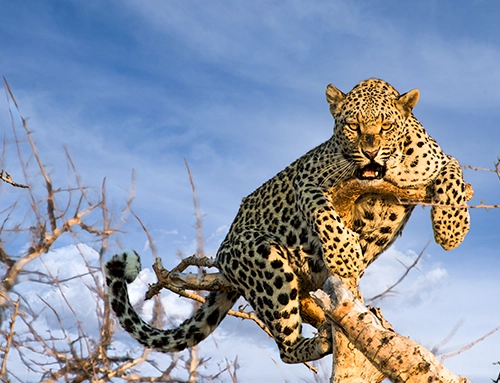
The radio crackles quietly, cameras lift, and for a moment nobody breathes too loudly. Your safari vehicle comes to a stop, and just to the side, just about hidden by bush, there’s a glint of yellow eyes.
If you know that feeling, you already understand why South Africans just topped a global survey for the country most obsessed with wildlife travel.
No survey needed to tell most of us that. We’ve all felt it the first time a leopard walked past the vehicle without so much as a glance in our direction.
According to new research from adventure travel company Explore, 95% of South Africans say seeing wildlife shapes where they choose to holiday.
That places the country ahead of Chile and Italy, and firmly at the top of a ranking from 2 400 travellers across 12 countries.
Globally, 72% of respondents said wildlife now plays some part in choosing a destination, which tells us nature tourism has moved from being a niche interest to a mainstream priority.
What the World Wants to See
Pandas, perhaps somewhat surprisingly, top the global wish list.
The survey found 41% of travellers dream of spotting the black and white bears in the wild, ahead of every other animal on the planet.
This is what the research had to say:
| Rank | Animal | Percentage of travellers wishing to see it |
|---|---|---|
| 1 | Panda | 41% |
| 2 | Elephant | 32% |
| 3 | Kangaroo | 32% |
| 4 | Koala | 30% |
| 5 | Whale | 29% |
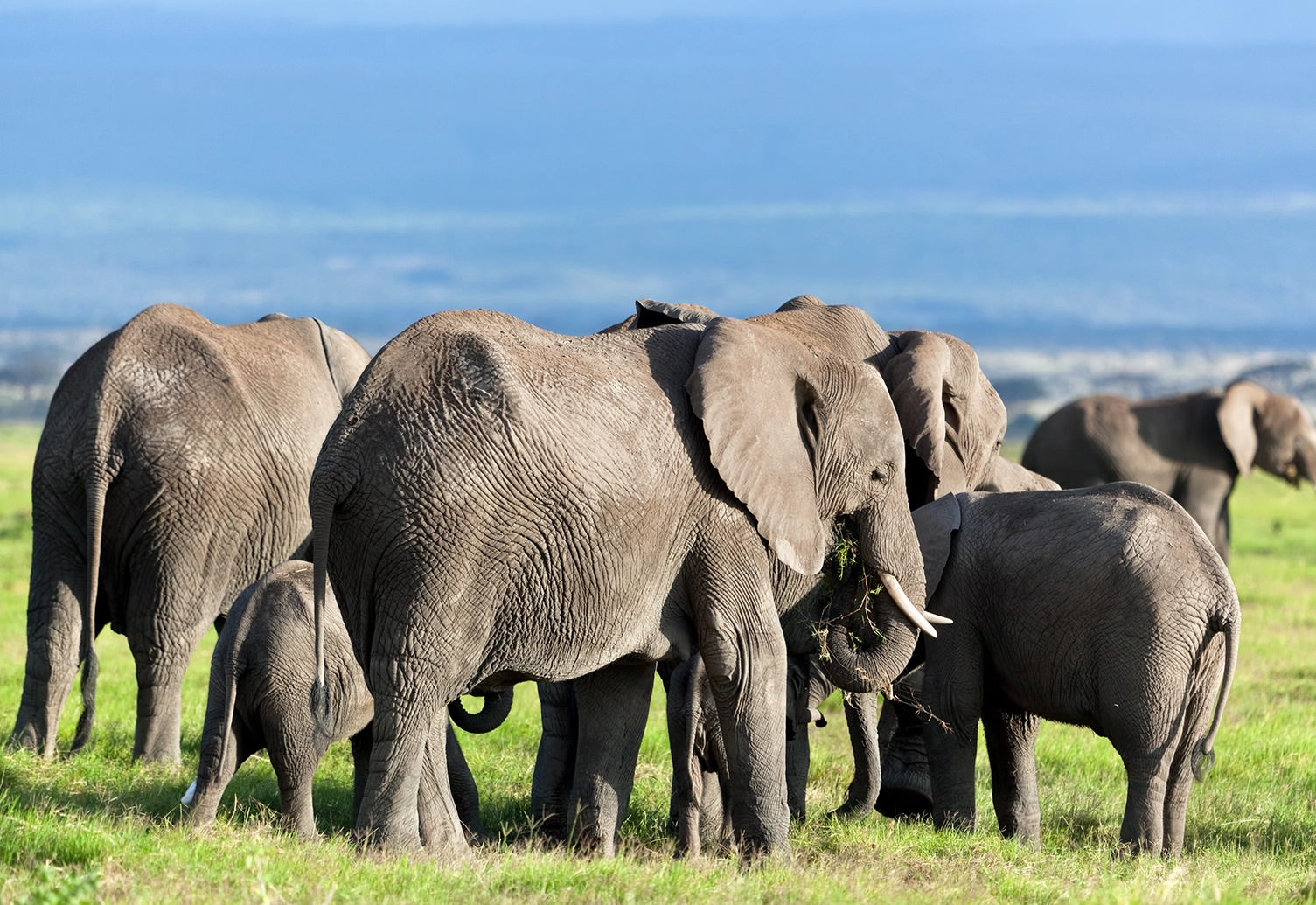
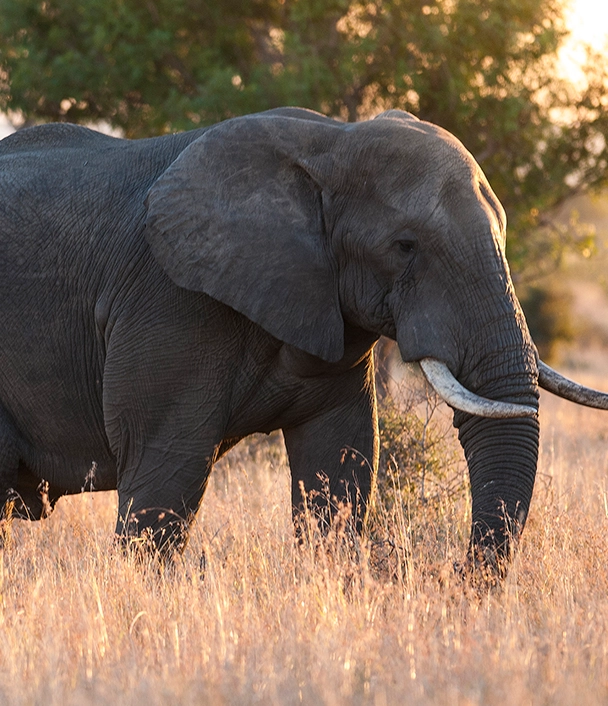
The elephant is the sole Big Five member to make that global top five.
It means the animal most closely associated with a Kruger sighting is also one of the most wanted encounters on the planet, and South Africa happens to be one of the very best places to find one.
South Africa Holds Its Ground
Australia claimed the top spot as the world’s preferred wildlife destination, yet South Africa took second place, with more than one in ten survey respondents naming it their first choice. That puts the country firmly ahead of Kenya, Canada and China, an achievement built on decades of conservation work, well-managed reserves and guides who know a herd’s movements the way most people know their own street.
And the Kruger National Park is still South Africa’s best-known and most loved wildlife park.
Spanning close to 2 million hectares, sitting along the Mozambique border, it remains one of the largest and most accessible game reserves on earth, home to healthy elephant populations that move freely through mopane woodland and open savannah.
Google search data backs up what the survey suggests.
Searches for “wildlife holidays” climbed 211% over the past year, a figure that points to a big change in how people plan their time off.
Luke Judd, a travel expert at Explore, noted that bucket lists are expanding well beyond the classic safari, with travellers now dreaming of pandas in bamboo forests alongside whales in open water and kangaroos on Australian plains.
Wildlife, in his words, has become a defining reason people choose a destination rather than a pleasant extra.
Planning Your Own Wildlife Escape
If you’re one of those lucky ones planning a holiday, we have a few tips for anyone inspired to plan a trip around an elephant sighting rather than a beach chair:
This is precisely the kind of experience Elephant Herd has built its name on, guiding small private groups through the Kruger National Park with the patience and local knowledge that turns a good sighting into an unforgettable one.
The world has clearly caught up to something South Africans have always known.
Because there is nothing quite like watching a herd move across open ground at dusk, and there may be no better place on earth to feel it than right here.
Source: Cape Town Etc