How Many Days do you Need in the Kruger National Park?
One day in the Kruger National Park barely scratches the surface of a park that stretches 352 kilometres from north to south.
3 full days, according to most first-time visitors and seasoned guides, is the point where the park stops feeling rushed and starts feeling like it was worth the flight.
The honest answer to how many days you need in the Kruger is going to be determined by one thing most blogs skip: what do you actually want out of the trip?
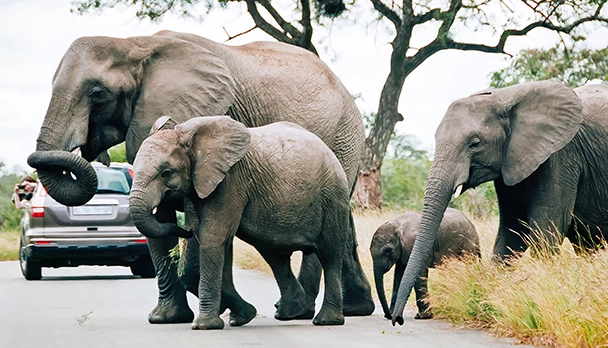
What a Single Day in the Kruger Gives You
A full day safari, sometimes consisting of a morning and afternoon drive, covers just a handful of routes in the park.
Visitors on a single day trip see the southern region’s dense wildlife concentrations around rivers like the Sabie, with a realistic chance at several of the Big 5 but have limited odds of seeing all 5 in one trip.
A single day works well as an add on to a broader South African itinerary but it won’t be able to give you the full, authentic Kruger safari experience.
How Many Days you Need, by Travel Goal
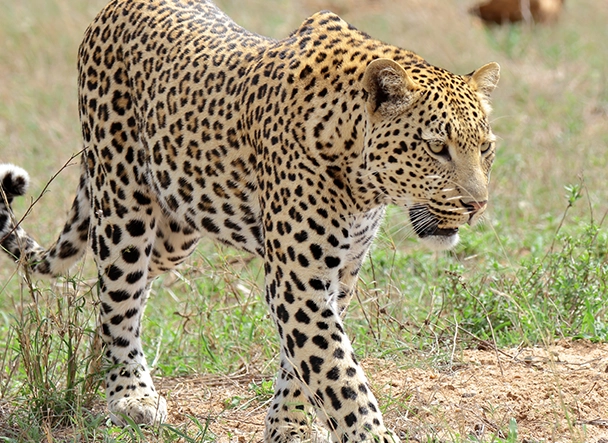
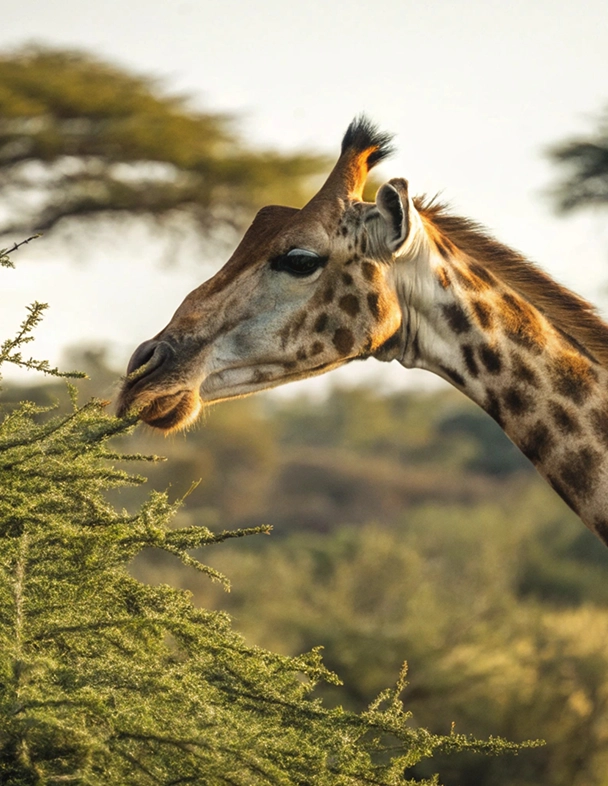
3 days suits visitors wanting a real shot at seeing the Big 5 without covering the length of the park, since 3 consecutive days of morning and afternoon drives greatly increase the odds of seeing plenty more wildlife than you’d see during a single day trip.
5 days allows time to move between two regions, typically south and central Kruger, catching different landscapes and species concentrations along the way.
7 to 8 days suits visitors wanting the full north to south range, from the marula veld in the south to the mopane country near Punda Maria, plus rest days to turn the trip into a real, relaxing holiday.
A Planning Checklist for Choosing your Trip Length
To ensure that you are getting the right amount of time for your Kruger Park safari, here are a couple of planning tips to use before you book a tour:
- Add one extra day to any itinerary under 5 days, since travel delays or a slow border crossing can otherwise eat into your safari time.
- Split longer trips, 5 days or more, across two camps rather than one, since driving distances inside the Kruger between northern and southern camps can exceed 300 kilometres (this is a tip for self-driving safaris).
- Book morning and late afternoon game drives, since animals move most during these hours.
- Match your trip length to your main goal (photographers benefit from longer stays at fewer camps, while first timers benefit from shorter, more varied itineraries).
- Fully research the tour operator you’ll be going on safari with. Read their reviews and ask questions if you have them.
At Elephant Herd, we have a wide range of Kruger safaris, in various lengths. Our tours are structured around giving you ample time in the park, with the goal of making sure that you see and experience the best of what this famous conservation has to offer. You can browse our website, or reach out to us, to find out more about our tours.