Planning for Malaria Season in the Kruger
Malaria in the Kruger is one of the most concerning things a traveller comes across when planning their safari.
Yet while malaria is not an illness you want to have to deal with post safari, it’s not such a big concern that you should worry about it ruining your time in Africa.
For most of the year, malaria is not even present in the Kruger. It is a seasonal thing, and with some know-how and planning, you can visit the park without the worry of taking home an unwanted souvenir.
When is malaria season in the Kruger?
Malaria season in the Kruger runs from September to May, with the highest risk between November and April.
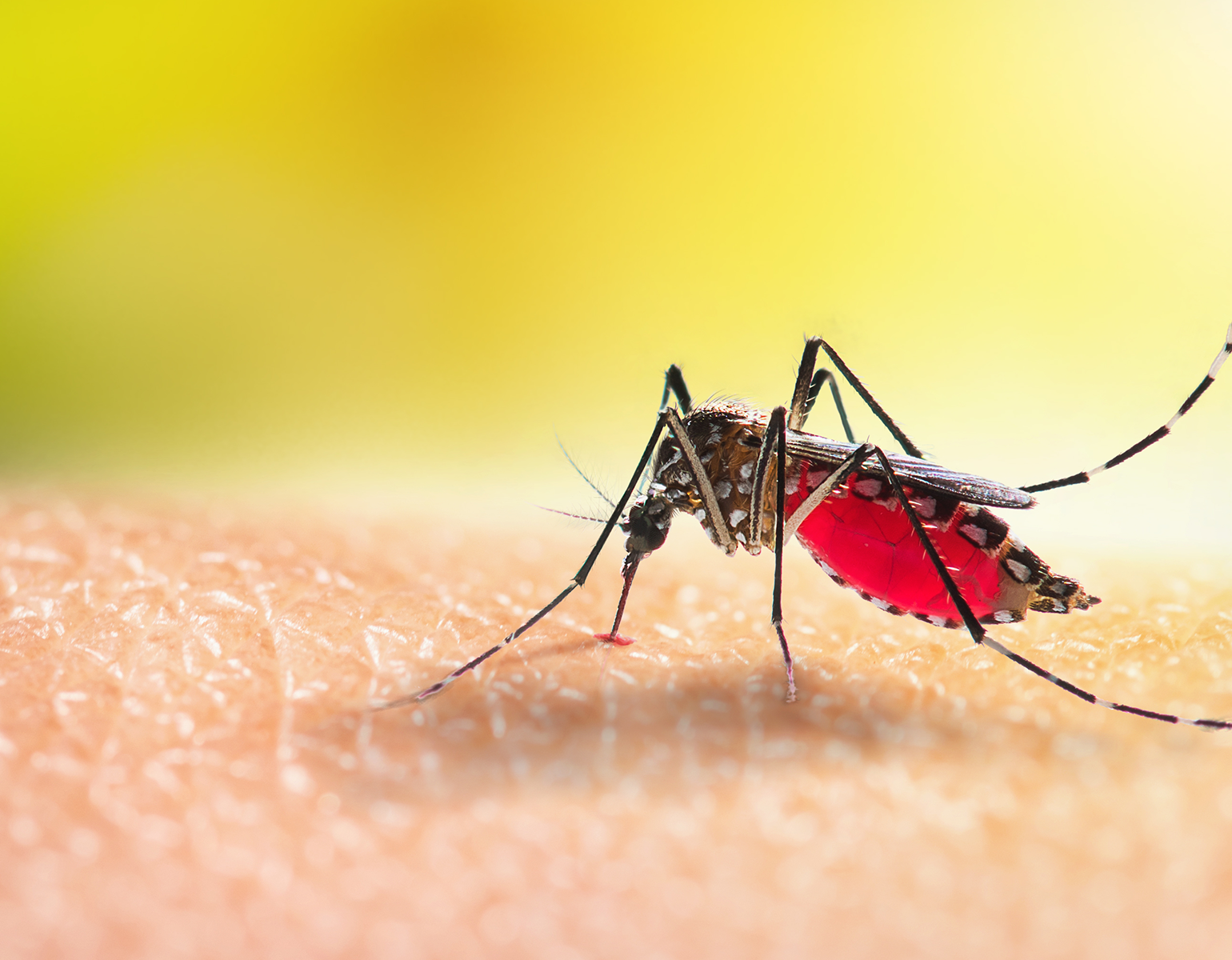
These are the warm, rainy months, when standing water gives the female Anopheles mosquito places to breed. Winter dries the bush, lowers the risk and thins the vegetation for clearer sightings.
Throughout the year, the risk of malaria looks like this:
| Period | Months | Malaria risk |
| Peak season | November to April | Highest of the year |
| Season edges | September, October and May | Transmission present |
| Winter | June to August | Lowest of the year |
Do you need malaria tablets for the Kruger?
The decision to take malaria tablets is one that you’ll need to make with a doctor or travel clinic, based on when you want to travel, the length of your stay and your personal health.
Tablets will certainly lower the risk but never remove it, so bite prevention stays part of the plan.
A consultation at least 2 weeks before your departure is best, since some tablets need to be taken before you arrive in the country and continue to be taken after leaving.
Pregnant women and children under 5 are advised to avoid high risk malaria areas altogether, which makes medical guidance the very first step in planning the best time for your safari.
How to prevent mosquito bites in the Kruger
Covering up from dusk, applying DEET repellent, closing screens and sleeping with a fan or air conditioner running, or having a net over your bed, are all great ways to prevent getting bitten.
The female Anopheles is usually most active between dusk and dawn, so sunset is your cue to change into longer sleeves, loose trousers and closed shoes.
You should also apply repellent on wrists, ankles and the back of the neck, and burning a mosquito coil on the veranda is also not a bad idea.
All tourist accommodation will usually have insect screens on windows and doors, so closing them at dusk is the easiest way to keep the mozzies at ba
What are the symptoms of malaria?
Malaria symptoms include fever, chills, sweats, headaches, nausea and body aches, which closely resemble flu. Symptoms typically appear 7 to 30 days after a bite, so if you suddenly develop a fever, don’t just dismiss it as a weakened immune system from your travels.
Tell your doctor that you’ve recently visited the Kruger and know that even a single negative test does not exclude malaria, so a repeat test is necessary if your symptoms persist.
Malaria is 100% treatable and best diagnosed early.
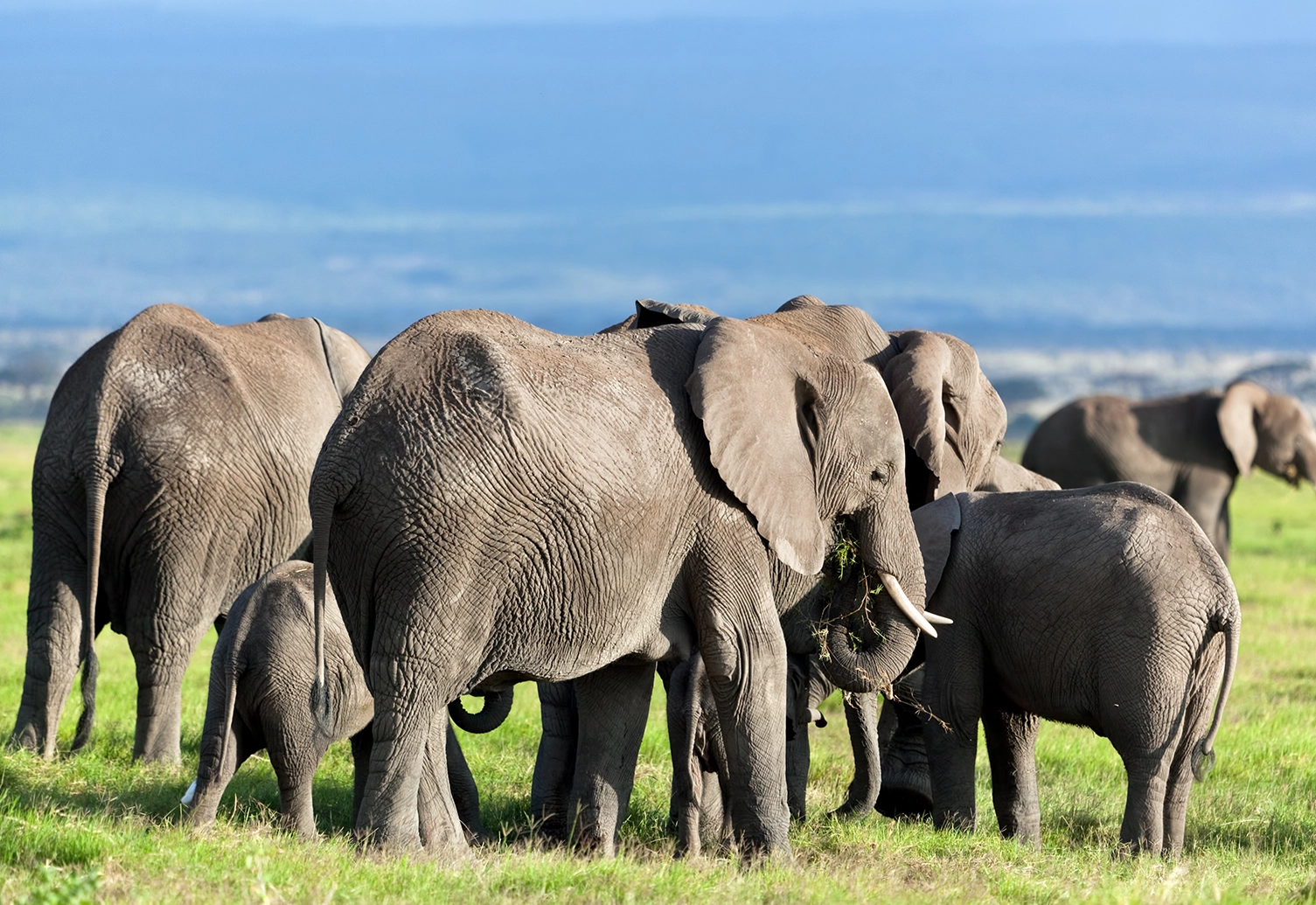
See the Kruger with Elephant Herd
Elephant Herd Tours and Safaris has a range of Kruger trips, from 3 to 8 days, with accommodation in Hazyview and transfers arranged. Choose the month you want to travel, book the consultation, pack your bags and let us show you Africa’s most famous wildlife park.