Conservation in the Kruger National Park and How Your Safari Supports It
The very existence of the Kruger National Park is thanks to a century of conservation. The park was founded over 100 years ago, when it was decided that unless something was done to protect the area’s indigenous animals, future generations would not have the opportunity to see them.
From those early days until now, conservation in the Kruger National Park is the invisible architecture behind every sighting, every sunrise drive, and every moment that makes a safari genuinely unforgettable.
And what many travellers don’t realise is that their visit actually plays such an important role in the continuation of the park.
Each year, just under 2 million travellers will visit the park, accounting for as much as 80% of SANParks’ budget.
Not only do travellers directly contribute to the Kruger, but by booking safaris and buying from locals, visitors also support the local economy.
How is the Kruger National Park Involved in Conservation?
SANParks (South African National Parks) manages the Kruger, which covers nearly 20 000 square kilometres, and it runs one of the most complex wildlife conservation programmes on the continent.
The work is large-scale, unglamorous in parts, and the team is absolutely relentless with the work that they do.
Anti-poaching operations are central to daily life in the park, and these operations are a huge part of the Kruger’s conservation efforts.
The Kruger employs well over 650 field rangers, who are supported by aerial surveillance, K9 units, and increasingly, AI-assisted camera monitoring.
Rhino poaching remains one of the park’s most serious ongoing pressures, despite significant reductions in poaching incidents since the 2014 peak, when 827 rhinos were lost in the Kruger alone. The fight continues at a high financial cost.
Aside from anti-poaching tasks, SANParks also oversees the ecological monitoring of vegetation, water systems, and animal populations, manages the controlled burning of firebreaks to maintain healthy grassland, conducts disease surveillance, particularly for tuberculosis in buffalo populations, and runs wildlife relocation programmes to maintain genetic diversity across the fenced reserves.
Why is Conservation so Important?
The short answer is that without active, well-funded conservation, the Kruger as it exists today simply would not survive.
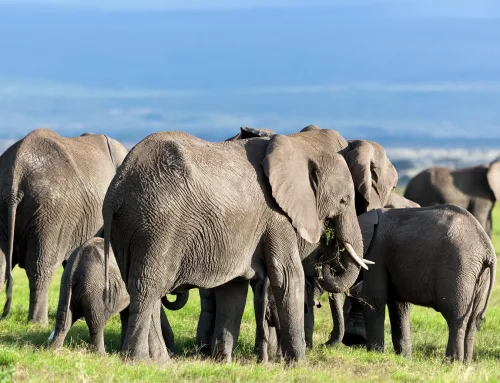
Africa loses an estimated 40 000 elephants to poaching annually across the continent, rhino populations remain critically fragile, and wild dog packs, of which only around 700 exist in South Africa, require large connected territories and are highly vulnerable to disease and habitat fragmentation.
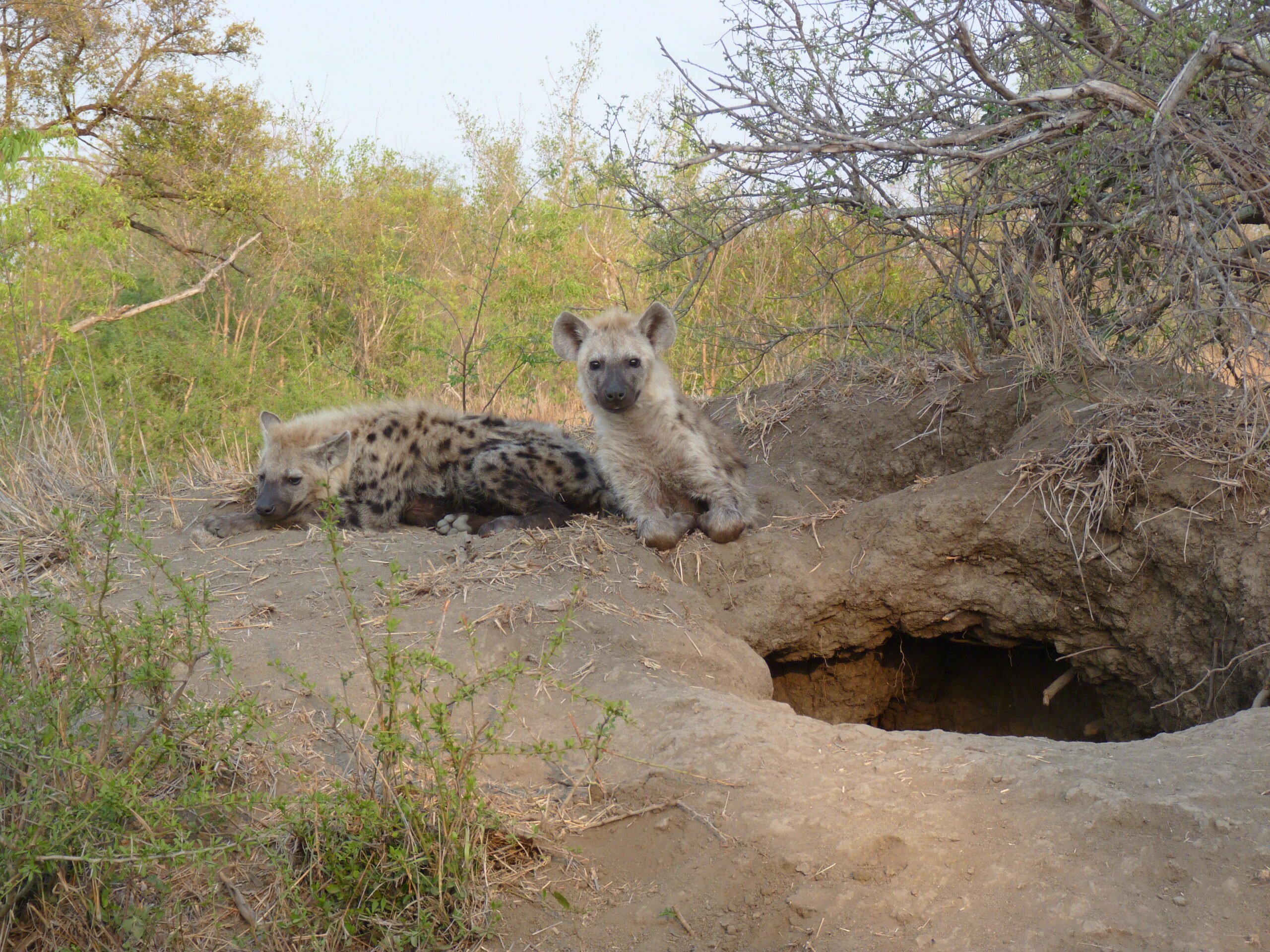
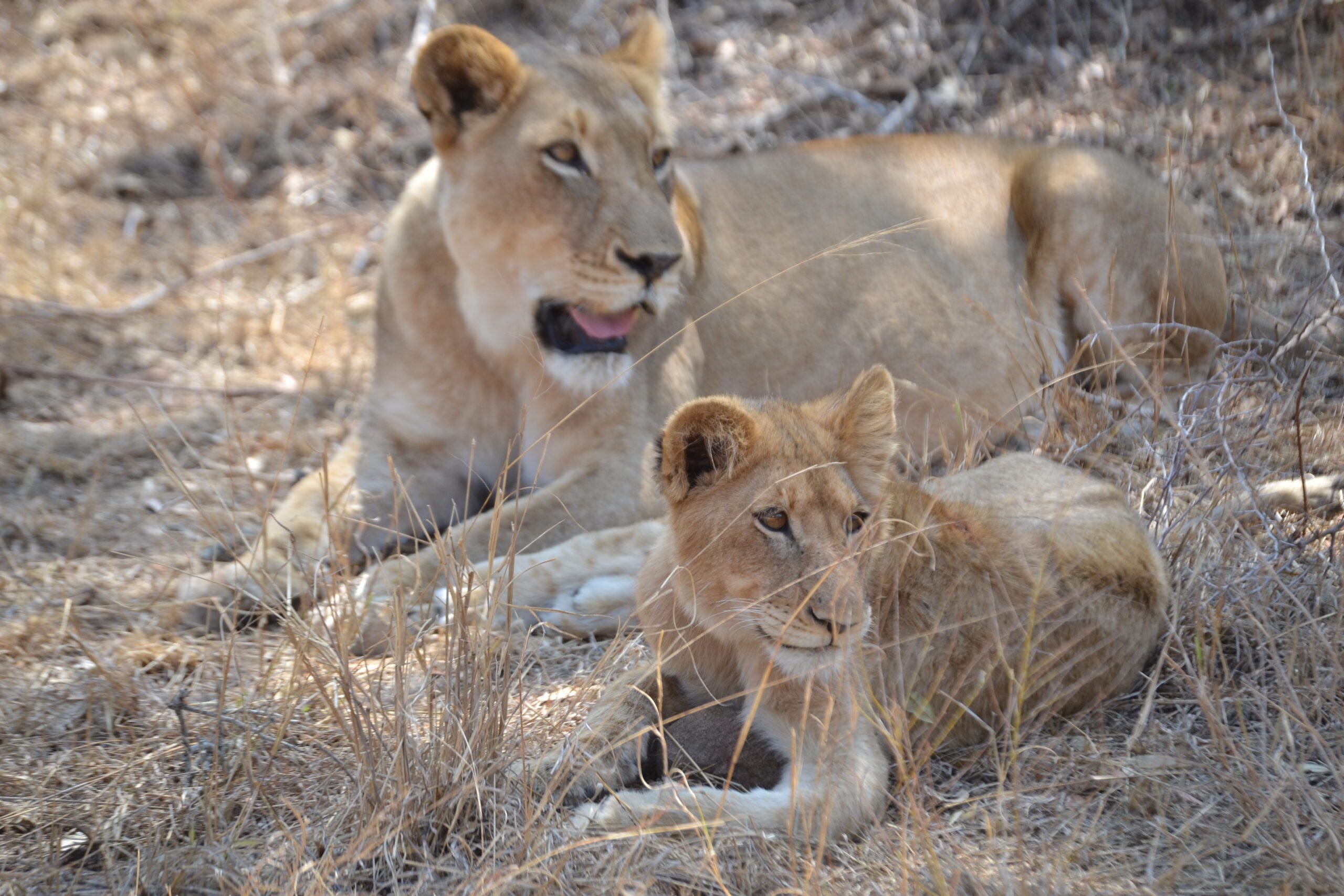
But conservation is as much about individual species as it is about the web of relationships that make a wild ecosystem function, like predators that regulate prey populations, herbivores that shape vegetation, insects and birds that pollinate and disperse seeds.
Pull one thread and the whole thing begins to fray.
There is also a profoundly human dimension to it all.
Communities bordering the Kruger depend on the park’s health for their livelihoods. When wildlife is protected, the local economies benefit. And when poaching rises, entire communities are affected.
Conservation in the Kruger belongs to everyone connected to it.

How do Safaris Contribute to Conservation?
Conservation in South Africa is enormously expensive.
SANParks relies on gate fees, accommodation revenue, and concession income to fund a significant portion of its operations.
In the 2022/23 financial year, SANParks generated approximately R2.4 billion in revenue, the bulk of which was channelled back into park management, infrastructure, and conservation work.
Every entry gate paid, and every night spent inside or adjacent to the park adds to the pool of funds that keeps rangers employed, equipment maintained, and ecological programmes running.
Guided safaris also play a role.
A knowledgeable guide not only improves the quality of a sighting, but they also carry conservation awareness directly into each vehicle.
Responsible guiding means staying on designated roads, maintaining safe distances from animals, switching off engines near resting wildlife, and educating guests about why these practices matter.
When travellers choose operators who take this responsibility seriously, they are casting a vote for the kind of safari industry that puts the park first. That choice has consequences that extend well beyond any single game drive.
Play a Role in Conservation in the Kruger by Booking a Safari
Elephant Herd Safaris, based in Hazyview on the western boundary of the Kruger, approaches every guided safari with a conservation ethos at its core. For travellers who want their visit to mean something, the starting point is always choosing to go with people, like us, who understand what the park asks of those who enter it.