What are the Big 5?
The Big 5 are synonymous with the typical African safari. Everyone hopes to see them, and when just one of these animals comes peeking through the bush or takes a stroll across the road, right in front of your vehicle, it is the stuff safari dreams are made of.
But what are these animals, what’s the big deal, and why are they amongst the most exciting and talked about wildlife in the Kruger?
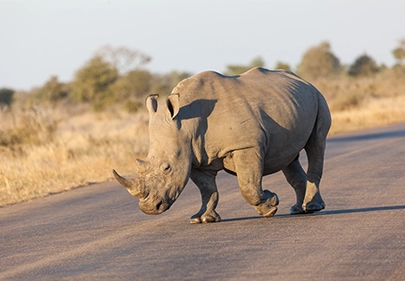
What does Big 5 mean?
The term Big 5 originated in the late nineteenth and early twentieth centuries, and while you might not like to hear this, the term was dubbed by trophy hunters.
It referred to the five animals considered most challenging and dangerous to track and hunt on foot: the lion, leopard, elephant, rhinoceros, and African buffalo.
Today, the phrase has a far different meaning, and it now celebrates these iconic species in their natural home.
The Kruger remains one of the finest places on the continent to observe all five in healthy numbers, especially during the drier months when sightings become more predictable.
What are the Big 5 in South Africa?
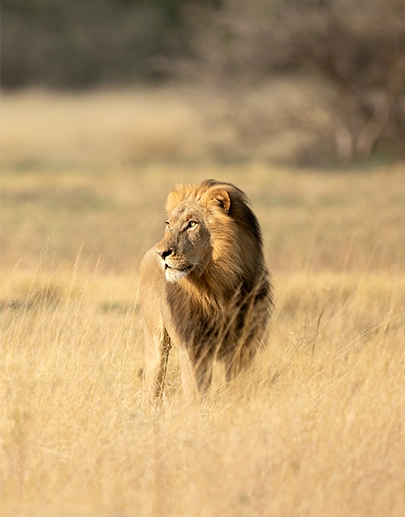
The Big 5 in South Africa consists of:
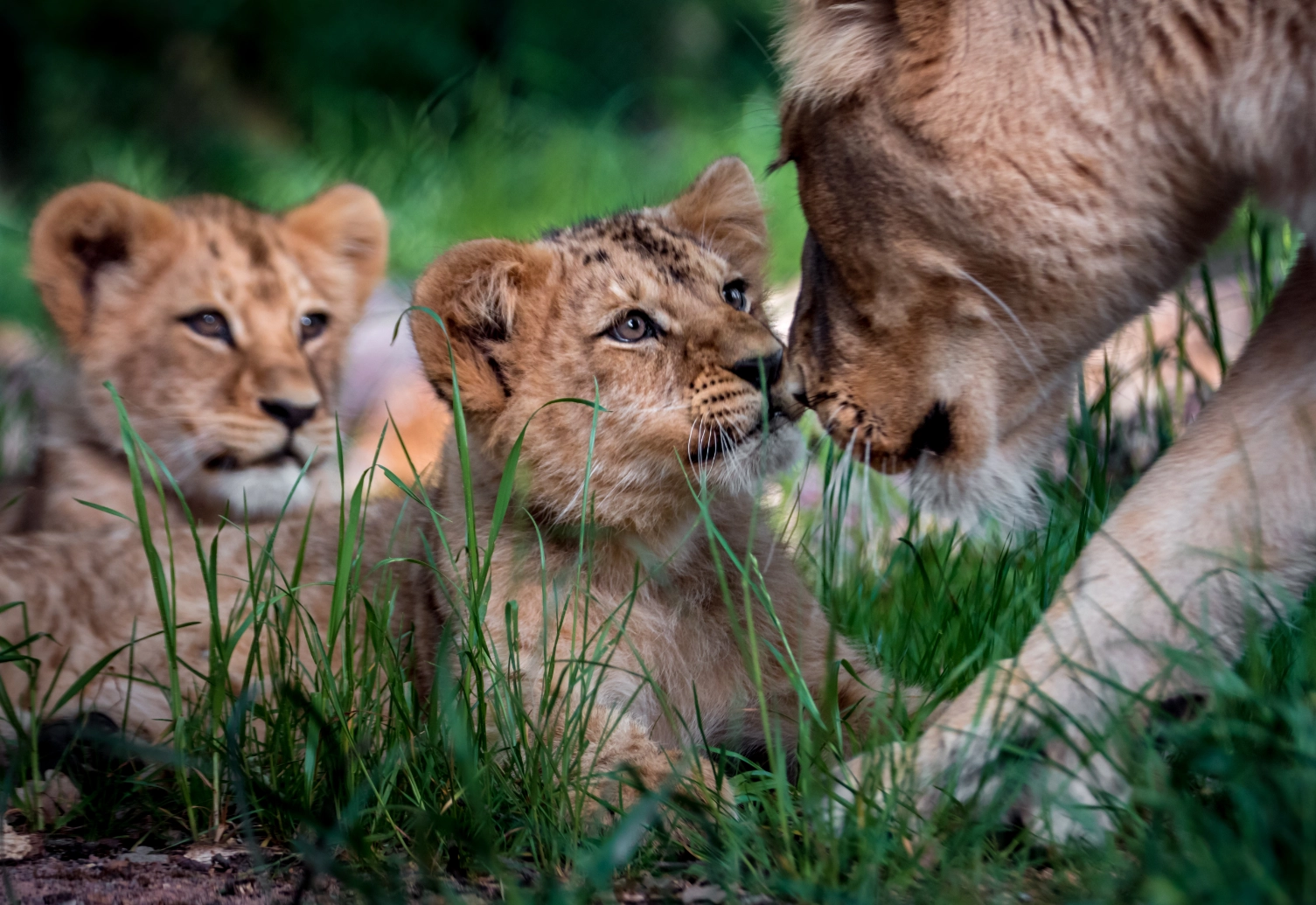
- Lion: This social predator often seen resting in prides or moving with purpose at first light.
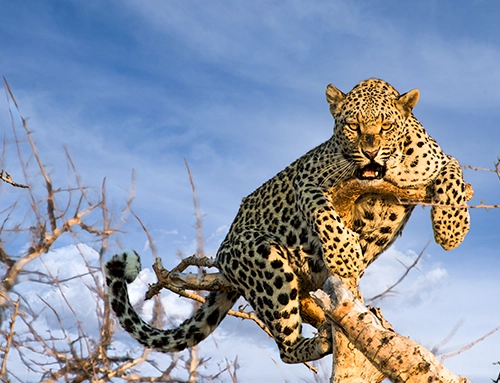
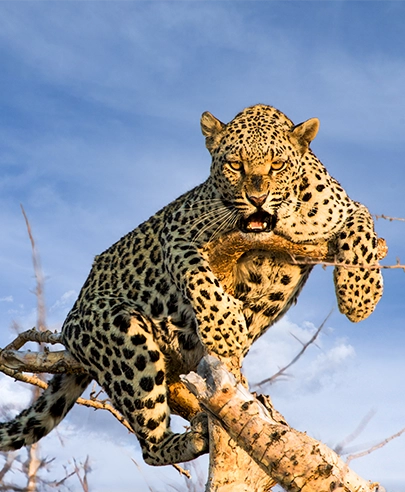
- Leopard: This elusive spotted cat that favours riverine areas and dense thickets, and it takes a keen eye to see.
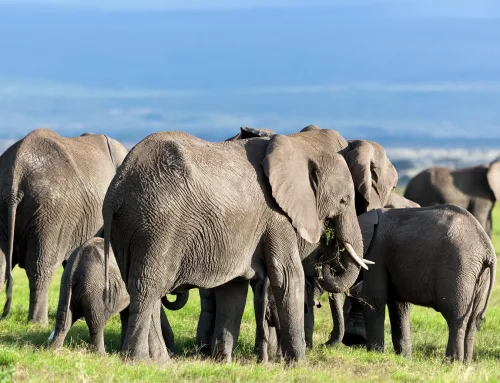
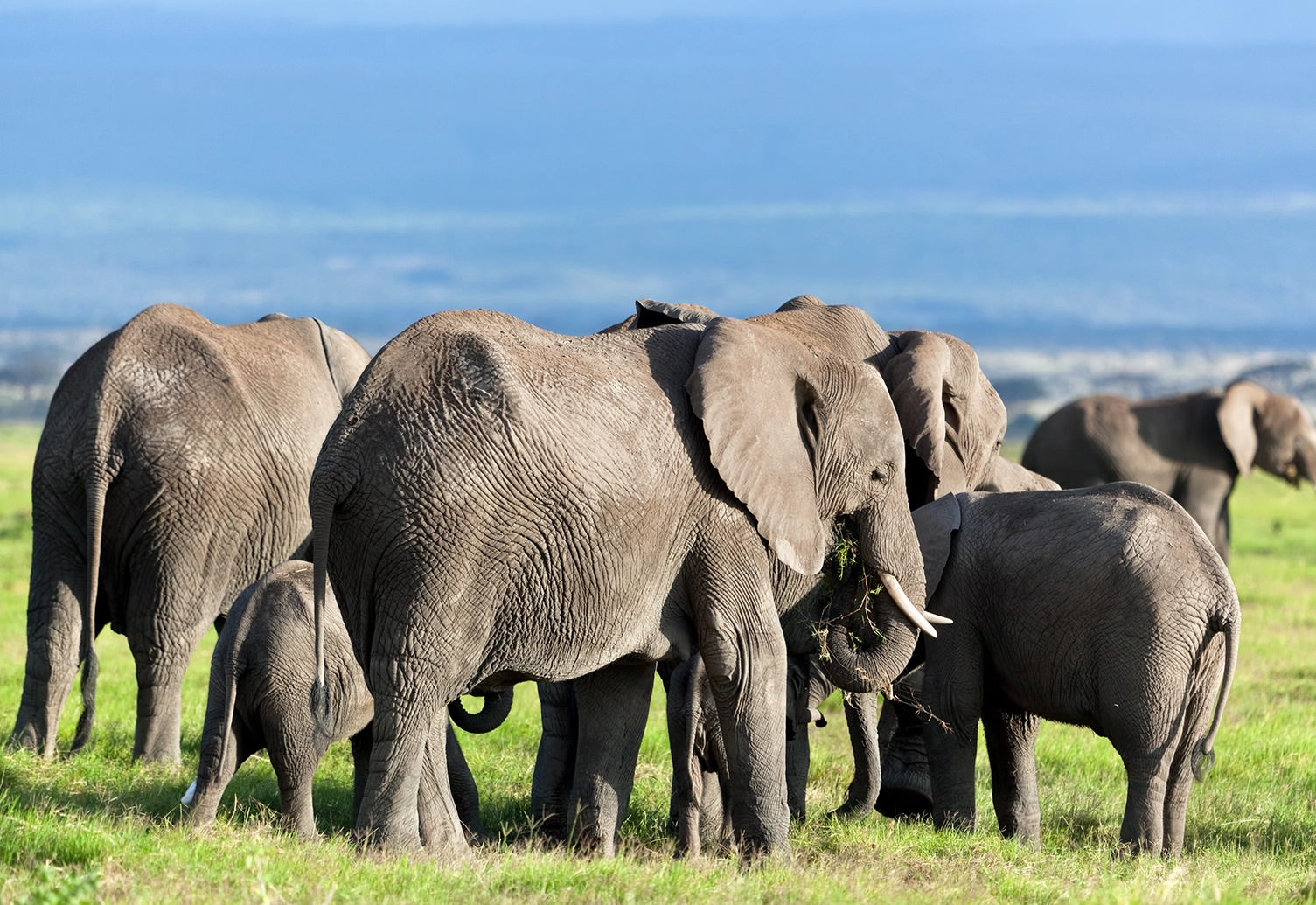
- Elephant: These gentle giants move in family groups, giving shape to the bush and the trees as they feed and travel.
- Rhinoceros: Both white and black rhinos, with the white variety more commonly encountered grazing in open areas.
- Cape Buffalo: These sturdy herd animals are known for their strong social bonds and watchful presence near water.
Recent aerial surveys in the Kruger show stable or increasing populations for several of these species, which is a nod to the ongoing conservation efforts that support their continued well-being.
Why are giraffes not in the Big 5?
Many visitors wonder why the graceful giraffe, one of the tallest and most photogenic animals in the bush, does not appear on the list.
The answer lies in the original definition.
Hunters created the term based on the danger and difficulty they faced while hunting, rather than the size or beauty of the animals.
Giraffes, as peaceful browsers that feed high in the trees, were never viewed as a significant threat or challenge in the same way.
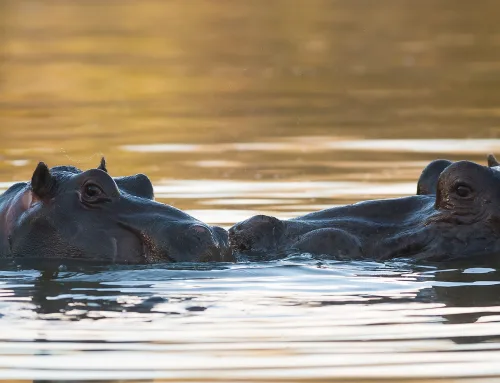
Their calm nature and preference for acacia leaves mean they are delightful to watch, but they don’t hold the same grandeur as the Big 5. The same holds for other impressive animals such as hippos, kudus or zebras.
Where are the best places to see the Big 5 in the Kruger?
The southern and central regions of the Kruger will give you the most reliable sightings because of the good road networks and the varied habitats that support all five species.
Areas around Skukuza, Satara, and the Sabie River frequently reward early morning and late afternoon drives.
Private reserves bordering the park, such as those in the Greater Kruger, allow off-road access in smaller vehicles, which can bring guests even closer to sightings while maintaining a respectful distance.
Elephant Herd specialises in guided safaris that focus precisely on giving guests the most unforgettable moments.
Based close to the park, in the small tourist town of Hazyview, our experienced team knows the bush, and we plan routes with the Big 5 in mind.
Guests who arrive hoping to see these animals appreciate the patient pace, knowledgeable commentary, and the comfortable open vehicles that make each outing so personal.
If the gentle pull of seeing the Big 5 has been on your mind, connecting with a team that knows the Kruger so intimately could turn that wish into beautiful days on safari that you will cherish.